
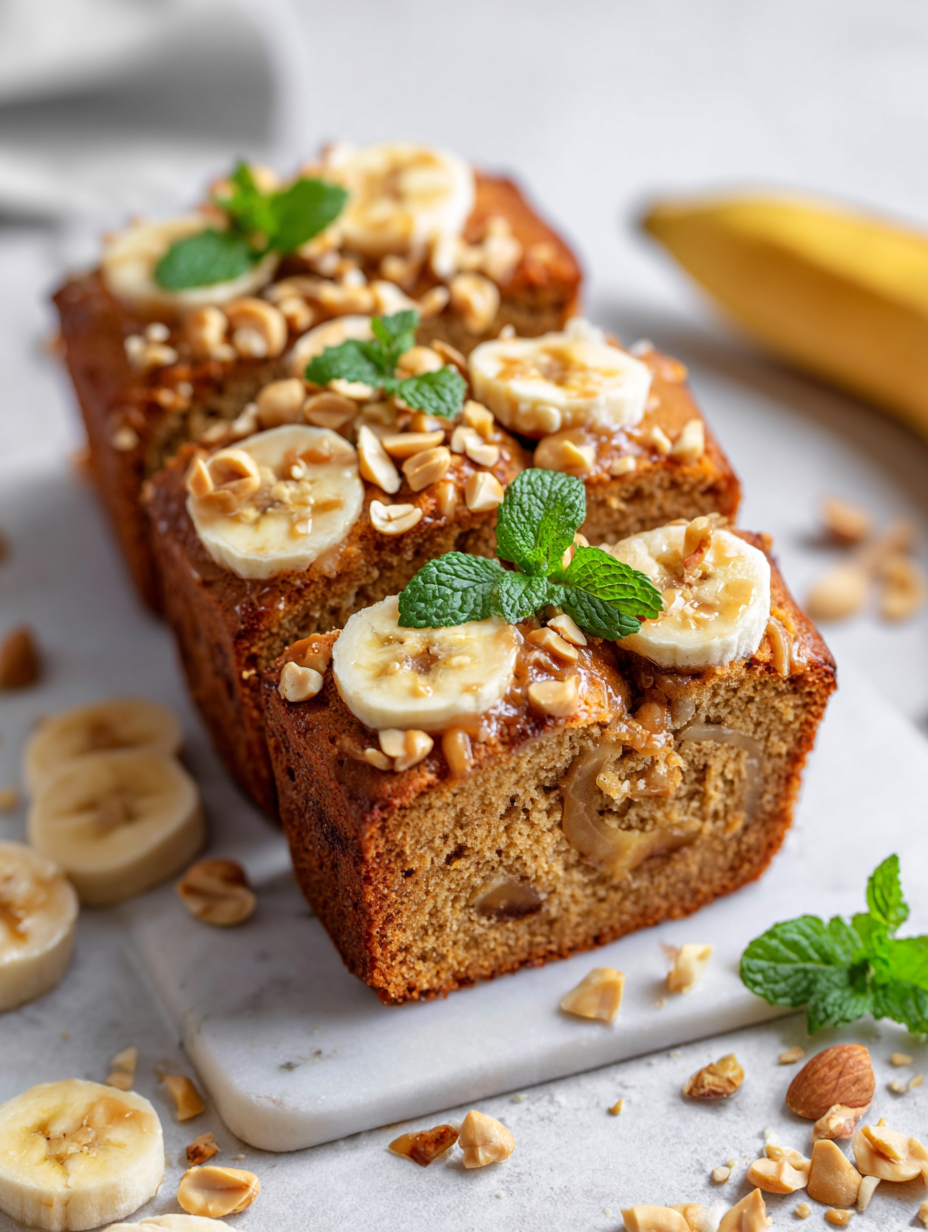
This peanut butter banana bread is a bit of a happy accident in my kitchen. I was aiming for something simple but ended up with this crunchy, moist, and deeply nutty loaf that I keep coming back to. It’s not your typical banana bread; the crunchy peanut butter adds a surprising texture that makes each slice feel like a little treat.
What I love most is how it balances that gooey, sweet banana flavor with a satisfying crunch. It’s perfect for mornings when you want a quick breakfast or a cozy snack in the afternoon. Plus, it’s flexible—use creamy if you prefer, but the crunch of chunky peanut butter really makes a difference if you’re after that unexpected bite.
This recipe explores how using crunchy peanut butter adds unexpected texture and depth to traditional banana bread, giving each bite a delightful crunch that balances the moist, sweet banana flavor.
Crunchy peanut butter surprise
- Baking this bread reminds me of lazy weekend mornings with the smell of ripe bananas filling the air, a quiet comfort.
- There’s a strange pride in turning over a warm loaf and seeing that perfect golden crust crackle under my fingertips.
- Every slice takes me back to childhood, that simple joy of peanut butter and banana sandwiches, reimagined in bread form.
- I love how the crunchy peanut butter gives each bite a surprising texture, like a little crunchy secret in every piece.
- Nothing beats the satisfaction of pulling this out of the oven just as the edges turn a deep, inviting brown.
The story behind this recipe
- This recipe came together on a rainy afternoon when I found myself with overripe bananas and a jar of crunchy peanut butter that was just a little too thick to spread. I threw them together on a whim, hoping for something simple but ended up with this unexpectedly satisfying loaf. The crunch from the peanut butter adds a new dimension I hadn’t planned but now can’t imagine baking without.
- Baking this bread feels like a small rebellion against the usual, turning everyday ingredients into something a little special. It’s a reminder that comfort food can also surprise you, in texture and flavor, with just a simple tweak. Now, whenever bananas get too soft, this quick bread is my go-to for a cozy, crunchy bite.
- heading:
Trivia and historical notes
- Banana bread has roots in early 20th-century American baking, often linked to resourceful home cooks using overripe bananas.
- Peanut butter was first introduced as a health food in the late 1800s, quickly becoming a staple in American households.
- The combination of banana and peanut butter gained popularity in the 1960s, aligning with growing trends of adding nuts and fruit to baked goods.
- Crunchy peanut butter was initially a regional preference, but its texture has made it a beloved ingredient in creative recipes like this bread.
- This recipe’s twist with crunchy peanut butter reflects a modern desire for texture and unexpected flavor contrasts in comfort foods.
Ingredient breakdown: key components
- Crunchy peanut butter: I love using chunky for that unexpected texture, but smooth works if you prefer a more uniform bite. Expect a little extra nutty richness with each slice.
- Bananas: Ripe, overripe bananas are the secret here—soft, sweet, and full of flavor. If yours are too firm, let them sit at room temp a day or two; it really boosts sweetness.
- Flour: I stick with all-purpose, but whole wheat adds a bit more hearty flavor and fiber if you want to tweak it for more texture. Sift it well to avoid lumps.
- Eggs: They bind everything together and keep the loaf moist. Use large eggs—if yours are small, consider adding a splash of milk to loosen the batter.
- Sweetener: Honey or maple syrup work beautifully—brings a subtle caramel note and enhances moisture. Reduce if your bananas are very sweet already.
- Baking soda: This is your leavening backbone. Make sure it’s fresh—old soda can lead to a flat loaf. It helps the bread rise with a gentle crackle on top.
- Optional add-ins: Chopped nuts or chocolate chips are great here. If you want a bit more crunch, sprinkle some on top before baking—adds a lovely toasted note.
Spotlight on key ingredients
Peanut Butter:
- Crunchy peanut butter: I love the texture it adds—grainy with a rich, roasted nut aroma. It oozes slightly when mixed, giving the batter a hearty, nutty punch.
- Bananas: Ripe and soft, they bring a sweet, fragrant aroma and a smooth, mashable texture. When baked, they turn caramelized, intensifying the bread’s sweetness.
Bananas:
- Overripe bananas are key—they’re sweet, soft, and full of flavor. Their natural sugars caramelize during baking, adding depth and moisture.
- Peanut Butter: Adds a nutty, savory contrast. The chunky variety provides unexpected crunch, while smooth keeps the bread tender and cohesive.
Notes for ingredient swaps
- Dairy-Free: Use almond or coconut yogurt instead of butter for a creamy texture without dairy, though it may alter the richness slightly.
- Sweetener: Swap honey for agave syrup or brown sugar for a different sweetness profile; expect a slightly different moisture level.
- Flour: Whole wheat or gluten-free flour can be substituted, but may result in denser, more textured bread.
- Bananas: Frozen bananas work just as well—thaw and mash for the same moist sweetness, adding a slight chill to the batter.
- Nut Butter: Almond or cashew butter can replace peanut butter, bringing a different nutty flavor and slightly different oiliness.
- Add-ins: Chopped nuts or chocolate chips can be skipped or swapped with dried fruit for varied crunch and bursts of flavor.
- Oil: Swap vegetable oil for melted coconut oil or applesauce for a slightly different moisture and flavor profile.
Equipment & Tools
- Oven: Bake the bread evenly at 180°C (350°F).
- 9×5 inch loaf pan: Shape and contain the batter during baking.
- Mixing bowls: Combine wet and dry ingredients separately.
- Spatula: Smooth the batter and transfer to the pan.
- Toothpick or cake tester: Check for doneness.
- Cooling rack: Cool the bread evenly and prevent sogginess.
Step-by-step guide to peanut butter banana bread
- Preheat your oven to 180°C (350°F). Grease a 9×5 inch loaf pan with butter or non-stick spray, then line with parchment for easy removal.
- In a large bowl, mash 3 ripe bananas until smooth—look for a sweet, fragrant aroma and soft texture. Stir in 1/2 cup crunchy peanut butter until well combined, a little oozy and fragrant.
- In a separate bowl, whisk together 1 1/2 cups all-purpose flour, 1 teaspoon baking soda, and a pinch of salt. Sift to avoid lumps and ensure even rise.
- Add 2 large eggs and 1/4 cup honey or maple syrup to the banana mixture. Mix until just combined—don’t overmix, the batter should be a little lumpy but cohesive.
- Gradually fold the dry ingredients into the wet, just until incorporated. The batter will be thick and speckled with peanut bits—don’t overmix to keep it tender.
- Pour the batter into the prepared loaf pan, smoothing the top with a spatula. Optional: sprinkle a handful of chopped nuts or chocolate chips on top for extra crunch.
- Bake for 50-60 minutes. The top should be golden and crackly, and the loaf should feel firm but springy when pressed lightly.
- Check for doneness: a toothpick inserted into the center should come out clean, the edges slightly pulling away from the pan, and the aroma should be warm and sweet.
- Remove from oven and let the bread rest in the pan for 10 minutes. Then transfer to a wire rack and cool completely before slicing—this helps set the crumb.
- Slice with a serrated knife. The crust should crackle when you cut, revealing moist, tender crumb flecked with peanut bits and banana aroma.
Let the bread cool in the pan for 10 minutes, then transfer to a wire rack. Slice once fully cooled; warm slices feel soft and fragrant.
How to Know It’s Done
- Golden brown top with crackle and aroma of baked bananas.
- Toothpick inserted in center comes out clean or with moist crumbs, not batter.
- Loaf feels firm but springs back slightly when pressed, indicating proper doneness.
Crunchy Peanut Butter Banana Bread
Ingredients
Equipment
Method
- Preheat your oven to 180°C (350°F). Grease your loaf pan with butter or non-stick spray, then line with parchment paper for easy removal.
- In a large mixing bowl, mash the bananas with a fork until smooth and fragrant. Stir in the crunchy peanut butter until the mixture feels slightly oozy and well combined.
- In a separate bowl, whisk together the sifted flour and baking soda, ensuring they are evenly combined. This helps the bread rise evenly.
- Add the eggs and honey to the banana mixture. Whisk everything together until just combined; the batter will be thick and speckled with bits of peanut.
- Gently fold the dry ingredients into the wet mixture using a spatula. Mix only until you see no more streaks of flour — don’t overmix, as this keeps the bread tender.
- Pour the batter into your prepared loaf pan, smoothing the top with your spatula. If desired, sprinkle chopped nuts or chocolate chips on top for extra crunch and flavor.
- Bake in the center of the oven for about 50-60 minutes. The top should turn a deep golden brown and crackle slightly, with a firm but springy feel when pressed.
- Insert a toothpick or cake tester into the center of the loaf; if it comes out clean, the bread is ready. Remove from the oven and let it cool in the pan for 10 minutes.
- Transfer the loaf to a wire rack to cool completely. This helps the crumb set and prevents sogginess. The aroma of baked bananas and toasted peanut butter will fill your kitchen.
- Slice with a serrated knife once cooled and enjoy the moist, nutty loaf with its delightful crunchy crust. Perfect for breakfast or an afternoon treat!
Pro tips for perfect banana bread
- Bolded mini-head: Use chunky peanut butter for surprise crunch, but smooth works if you prefer a uniform texture.
- Bolded mini-head: Ripe bananas are key—sweet, fragrant, and mash easily; underripe bananas won’t give the same moistness.
- Bolded mini-head: Sift your flour to avoid lumps and promote an even rise—clumps mean dense spots in your bread.
- Bolded mini-head: Don’t overmix once you add the dry ingredients; a few lumps keep the bread tender and moist.
- Bolded mini-head: Check for doneness with a toothpick—center should come out clean, and the top should crackle slightly.
- Bolded mini-head: Let the loaf cool at least 10 minutes before slicing—this helps set the crumb and prevents sogginess.
- Bolded mini-head: Add nuts or chocolate chips on top before baking for extra crunch and flavor contrast.
Common mistakes and how to fix them
- FORGOT to check oven temperature → Use an oven thermometer for accuracy.
- DUMPED in all ingredients at once → Mix wet and dry separately first.
- OVER-TORCHED the crust → Cover loosely with foil if browning too quickly.
- MISSED the cooling step → Cool completely to prevent soggy slices and dense texture.
Quick fixes and pantry swaps
- When dough is too sticky, splash in a little more flour and knead lightly.
- If batter is bland, patch with a pinch more salt or a dash of vanilla extract.
- Splash some lemon juice on cut bananas to prevent browning and keep them vibrant.
- When loaf cracks excessively, shield with foil and reduce oven temperature slightly.
- DUMPED in all ingredients at once? Rescue by gently folding to incorporate evenly, avoiding overmixing.
Prepping, storing, and reheating tips
- Prep the bananas by mashing them thoroughly a day ahead; store in an airtight container in the fridge to keep them fragrant and prevent browning.
- You can assemble the dry ingredients the night before—sift and mix flour, baking soda, and salt, then keep in a sealed jar or container.
- The baked bread can be stored at room temperature in an airtight container for up to 2 days, with a slight loss of freshness and moisture.
- For longer storage, wrap slices tightly in plastic wrap or foil and freeze for up to 1 month. Toast or microwave to reheat, the aroma and moist crumb reappear quickly.
Top questions about peanut butter banana bread
1. Can I use smooth peanut butter instead?
Use crunchy peanut butter to add unexpected texture and a more pronounced nutty flavor, which makes each slice a little more interesting.
2. Will smooth peanut butter work?
Yes, but the bread will be softer and less crunchy; the texture won’t have that delightful nutty bite.
3. How ripe should the bananas be?
Overripe bananas give the bread a deep, caramelized sweetness and moist crumb—use bananas that are soft, with brown spots.
4. Can I substitute different flours?
You can replace all-purpose flour with whole wheat for a denser, nuttier loaf, or gluten-free flour for a different texture—just expect slight changes in rise.
5. What about different sweeteners?
Yes, you can swap honey or maple syrup for other liquid sweeteners like agave; reduce slightly if your bananas are very sweet.
6. Why is my bread dense or flat?
If your bread turns out dense or flat, check your baking soda’s freshness and don’t overmix the batter to keep it light.
7. How do I know when it’s done?
Bake until the top crackles and turns a deep golden, and a toothpick inserted in the center comes out clean—avoid underbaking.
8. How should I store leftovers?
Wrap cooled slices in plastic or foil and store at room temp for 2 days, or freeze for up to a month for longer storage.
9. Can I add other ingredients?
When adding extras like nuts or chocolate chips, sprinkle on top before baking for a toasted crunch and richer flavor.
10. What if the crust over-browns?
If the crust over-browns, loosely cover the loaf with foil and lower the oven temperature slightly for even baking.
This peanut butter banana bread is a small, imperfect masterpiece that feels like a warm hug on a busy day. Its crunch and sweet aroma make it stand out, especially when you need a quick, satisfying treat. Baking it reminds me that simple ingredients, combined with a little patience, can create something truly comforting.
Whenever I slice into it, I think about how these little moments—crunchy bites, fragrant bananas—bring a pause in the chaos. It’s not just about the bread; it’s about the quiet joy of baking, of making something that’s honest and a bit unexpected. That, to me, is what good baking is really about.
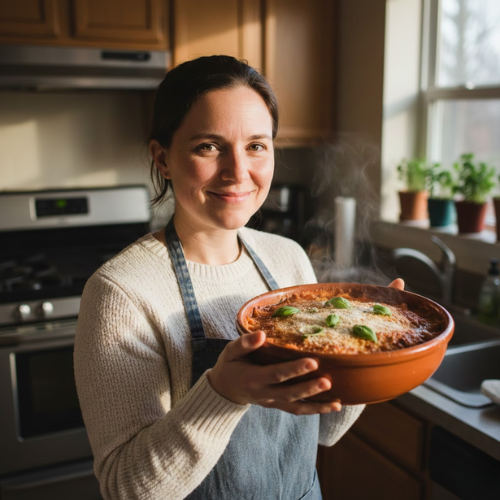
Hi, I’m Charlotte Hayes, the creator and storyteller behind Lost in the Aroma. If you’ve ever closed your eyes while something simmered on the stove just to take in the scent, then you already understand what this space is about. For me, aroma is memory. It is emotion. It is the first sign that something beautiful is about to be shared. Lost in the Aroma is where I bring together recipes, sensory storytelling, and my lifelong love for food. I am so glad you’re here.
Leave a Reply