
Egg muffins are a lifesaver for me, especially when I’m staring at a fridge full of last night’s leftovers. They turn bits of roasted veggies, cooked meats, or even that sad piece of cheese into something satisfying and fresh. It’s like giving new life to what I almost forgot I had in the fridge.
The best part? They’re so forgiving. No fancy ingredients needed—just eggs, a dash of seasoning, and whatever you want to toss in. It’s a simple way to make breakfast feel less routine and more a little bit of a treasure hunt for flavors.
Focusing on how egg muffins can be a versatile canvas for leftovers, transforming last night’s bits into a nutritious breakfast that feels fresh and new.
Transforming leftovers into breakfast
- Egg muffins remind me of lazy weekend mornings, when I’d sneak a handful of cheese into the batter just because.
- There’s a strange pride in turning leftovers into something that feels like a treat, not just a quick breakfast.
- Sometimes, I toss in whatever’s lurking in the fridge, and it’s like a little surprise every time.
- I get a little nostalgic thinking about how these muffins made mornings easier during hectic school days.
The story behind this recipe
- Egg muffins came about during a chaotic week when I needed breakfast on the go, but also wanted to use up random bits in the fridge. I started throwing in leftover roasted veggies, bits of cheese, and whatever cooked meats I had. Turns out, they’re perfect for that moment when you want something hearty, quick, and flexible.
- What really made me stick with the idea was how forgiving they are—no perfect measurements, just intuition. Plus, I love how they can be customized to whatever I need that morning, making breakfast less of a chore and more of a little creative escape.
- Transforming leftovers into breakfast
Contextual origin, trivia, or history
- Egg muffins likely evolved from the need for portable, quick breakfasts in busy households and workplaces.
- They gained popularity in the early 2000s as a healthier, make-ahead option for busy mornings.
- This recipe’s versatility mirrors the American tradition of adapting breakfast foods to regional ingredients.
- Some food historians believe egg-based baked goods date back to ancient civilizations, evolving into modern muffin forms.
- Modern twists include adding vegetables, cheeses, or meats, making egg muffins a canvas for culinary creativity.
Key ingredients and tips
- Eggs: I use large, fresh eggs for a rich, fluffy texture. You can try farm-fresh for a brighter, more vibrant muffin.
- Cheese: Sharp cheddar melts into a gooey, smoky layer. Swap with mozzarella if you prefer milder, stretchier bites.
- Vegetables: Bell peppers add a sweet crunch, while spinach gives a tender, earthy bite. Roast or sauté to deepen their flavor.
- Meat: Cooked bacon or ham bits add savory richness. For a leaner option, try turkey sausage—more subtle, but still flavorful.
- Herbs & seasoning: Fresh parsley or chives brighten everything up with a clean, herbal note. Dried herbs work fine if fresh isn’t available.
- Salt & pepper: Don’t skimp—these amplify all the other flavors. Taste and adjust at the end for perfect seasoning.
- Milk or cream: A splash makes the muffins extra tender. Skim milk keeps it light, but heavy cream adds richness and a silky mouthfeel.
Spotlight on key ingredients
Eggs:
- I use large, fresh eggs for a rich, fluffy texture. You can try farm-fresh for a brighter, more vibrant muffin.
- Cheese: Sharp cheddar melts into a gooey, smoky layer. Swap with mozzarella if you prefer milder, stretchier bites.
- Vegetables: Bell peppers add a sweet crunch, while spinach gives a tender, earthy bite. Roast or sauté to deepen their flavor.
Cheese and herbs:
- Cheese: Melts into a gooey, smoky layer that adds richness. Try feta or pepper jack for different flavor kicks.
- Vegetables: They soften and caramelize slightly during baking, releasing a sweet aroma. Use leftovers or fresh for a vibrant mix.
- Herbs & seasonings: Fresh parsley or chives brighten the muffins with a clean, herbal hit. Dried herbs work if fresh isn’t available.
Notes for ingredient swaps
- Dairy-Free: Use almond or coconut milk instead of dairy milk for richness without dairy, though it might be slightly less creamy.
- Vegetarian Protein: Swap meats for sautéed tofu or tempeh crumbles for a plant-based boost that still packs flavor.
- Cheese Options: Try feta or goat cheese for tangy, creamy bites—just watch the salt since they’re quite salty on their own.
- Spice Variations: Add smoked paprika or cumin instead of fresh herbs to introduce a smoky or earthy aroma to the muffins.
- Herb Alternatives: Use dried herbs like Italian seasoning if fresh herbs aren’t on hand, but cut the quantity in half to avoid overpowering.
- Extra Veggies: Mix in shredded zucchini or grated carrots for extra moisture and a hint of sweetness or earthiness.
- Egg Substitute: For a vegan version, try chickpea flour or silken tofu blended smooth—these give structure but change the flavor slightly.
Equipment & Tools
- Muffin tin: Holds the egg mixture while baking into individual muffins.
- Whisk: Blends eggs thoroughly and aerates for fluffiness.
- Mixing bowls: Prepares and combines fillings and eggs.
- Spray or butter: Prevents muffins from sticking to the tin.
Step-by-step guide to egg muffins
- Gather your equipment: a muffin tin, mixing bowls, whisk, and a spray or butter for greasing.
- Preheat your oven to 180°C (350°F). Grease the muffin tin generously to prevent sticking.
- In a large bowl, whisk together 8 large eggs until well combined and slightly frothy, about 30 seconds.
- Prepare your fillings: chop leftover roasted veggies, grate cheese, dice cooked meats, and chop herbs. Have them ready to mix.
- Add 1/4 cup milk or cream to the eggs, whisk again to incorporate. Season with salt and pepper to taste.
- Stir in your chosen fillings: about 1/4 to 1/3 cup of cheese, veggies, meats, and herbs per batch. Mix gently.
- Pour the egg mixture into each muffin cup, filling about 3/4 full. Don’t overfill to avoid spills during baking.
- Bake in the preheated oven for 20-25 minutes. Check for doneness: edges should be golden, center just set.
- At the 20-minute mark, gently shake the muffin tin. The eggs should jiggle slightly; if firm, they’re done.
- Remove from oven and let cool in the tin for 5 minutes. The muffins will firm up slightly as they rest.
- Use a small spatula or knife to loosen the edges if needed, then carefully lift out each muffin. Serve warm or at room temperature.
Let the muffins rest for 5 minutes before serving to set fully. Serve warm or at room temperature, optionally garnished with fresh herbs.
How to Know It’s Done
- Edges are golden and slightly crisp.
- Center of muffins is just set and not runny.
- Eggs jiggle slightly when shaken, indicating they’re cooked through.
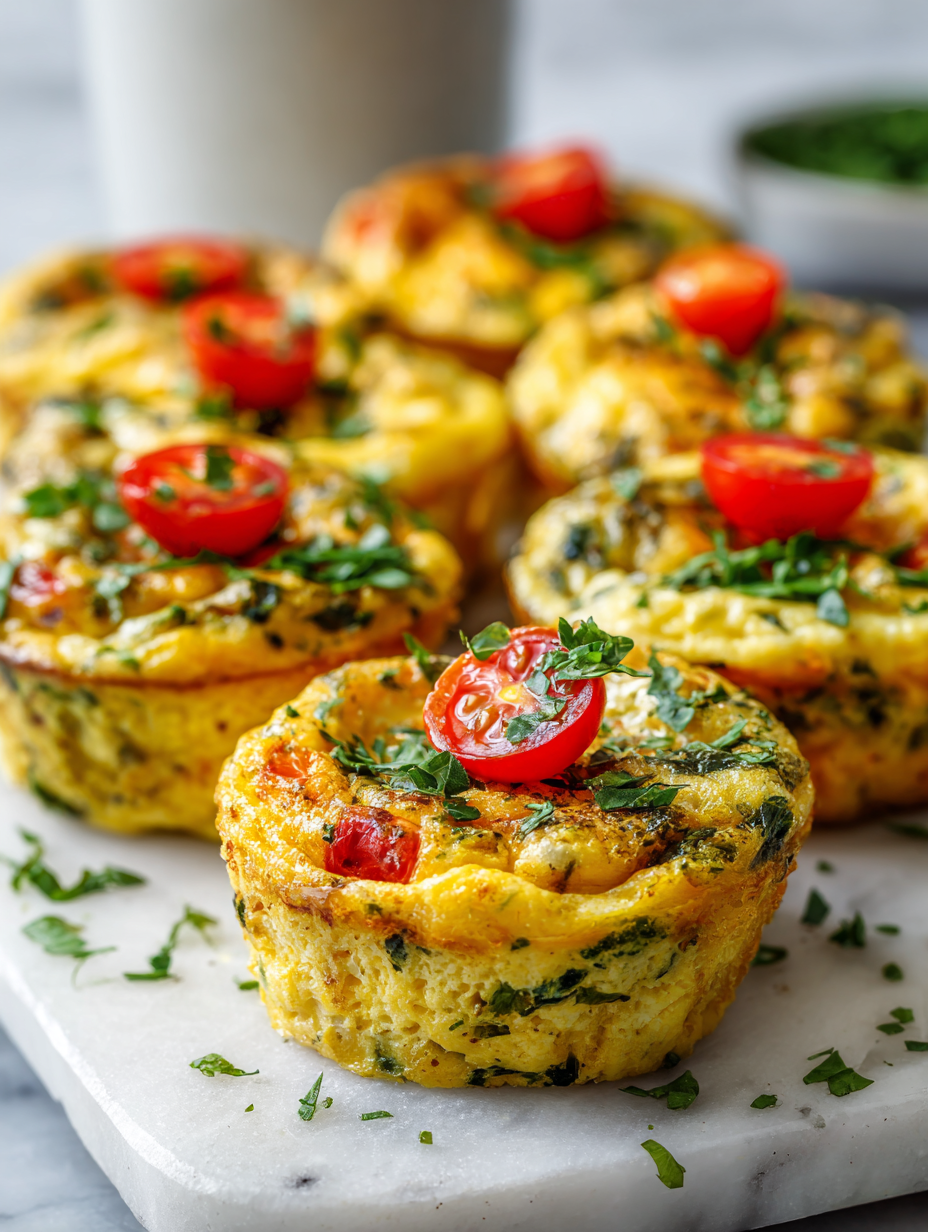
Leftover Egg Muffins
Ingredients
Equipment
Method
- Preheat your oven to 180°C (350°F) and generously spray or butter your muffin tin to prevent sticking.
- In a large mixing bowl, crack the eggs and whisk them until the yolks and whites are fully combined and slightly frothy, about 30 seconds.
- Add the milk or cream to the eggs and whisk again to create a smooth mixture that’s light and airy.
- Stir in the shredded cheddar cheese, chopped roasted vegetables, diced meats, and chopped herbs, folding gently to evenly distribute everything.
- Season the mixture with salt and freshly ground black pepper, tasting and adjusting as needed.
- Using a spoon or ladle, pour the egg mixture into each muffin cup, filling about three-quarters full to allow room for rising.
- Place the muffin tin in the preheated oven and bake for 20 to 25 minutes, until the edges are golden brown and the center just sets with a slight jiggle.
- Once baked, remove the muffins from the oven and let them rest for 5 minutes. They will firm up slightly as they cool.
- Use a small spatula or knife to gently loosen the edges of each muffin, then carefully lift them out of the tin.
- Serve the muffins warm or at room temperature, garnished with additional herbs if desired. They make a satisfying, portable breakfast or snack.
Notes
Pro tips for perfect egg muffins
- BOLD START: Use room-temperature eggs for better emulsification and fluffier muffins.
- GENTLE FOLD: When mixing fillings, fold gently to keep the eggs light and airy.
- SEAR FIRST: Sauté vegetables briefly before adding to intensify flavor and reduce moisture.
- PRECISE FILLING: Fill muffin cups with a heaping tablespoon for consistent size and even cooking.
- OVEN CHECK: Start checking at 20 minutes; muffins can go from perfect to overdone quickly.
- REST BEFORE REMOVING: Let muffins sit for 5 minutes after baking to set perfectly and avoid crumbles.
- BROIL AT END: For a golden top, briefly broil on high for 1-2 minutes—watch closely!
Common mistakes and how to fix them
- FORGOT to preheat the oven → Always preheat to ensure even cooking.
- DUMPED all ingredients directly into the eggs → Mix fillings separately for even distribution.
- OVER-TORCHED the muffins → Remove when edges are golden and center is just set.
- FAILED to grease the tin properly → Use generous butter or spray to prevent sticking.
Quick fixes and pantry swaps
- When eggs turn rubbery → Splash in a little milk to soften and add moisture.
- If muffins stick → Patch with a tiny brush of butter or oil before baking.
- When filling leaks → Shield with a paper towel around muffin tin for a cleaner oven.
- If muffins are undercooked → Rescue with an extra 5-minute bake at 180°C (350°F).
- When pantry is empty → Swap spinach with kale or frozen peas for quick, fresh flavor.
Prep, store, and reheat tips
- Prepare the egg mixture and chop fillings the night before. Keep in separate airtight containers in the fridge, where they’ll stay fresh for up to 24 hours. The smell of raw eggs and herbs is comforting in the morning.
- Assemble the muffins in the tin the next day, then cover loosely with plastic wrap. They can be stored in the fridge for up to 3 days. Reheating will bring back the warm, fluffy texture, with a slight aroma of cheese and baked eggs.
- For longer storage, freeze the baked muffins in a sealed container for up to 1 month. Thaw overnight in the fridge, then reheat, noticing the comforting sizzle and the steam rising when warmed.
- Reheat in the microwave for 30-40 seconds on medium power. The muffins should be warm through, with the cheese slightly gooey and the eggs tender. Avoid overheating to prevent rubbery texture.
Common questions about Egg Muffins
1. How do I know when egg muffins are fully cooked?
Egg muffins should jiggle slightly in the center when done, and the edges will be golden brown. Use a toothpick or knife to check the center; it should come out clean or with just a little wet egg. If they feel too soft or runny, bake a few more minutes. Overbaking makes them dry and crumbly, so keep an eye on the color and texture.

2. Should I let egg muffins cool before removing from the tin?
Let the muffins rest for about 5 minutes after baking. This allows the eggs to set completely, making them easier to remove from the tin and preventing them from falling apart. They’ll be warm, tender, and easy to handle. If you cut into them right away, they might be a little runny or fragile.
3. How can I prevent the muffins from sticking?
Use a non-stick spray or butter generously to grease the muffin tin. This helps prevent sticking, especially around the edges. If muffins stick, gently loosen the edges with a small spatula or knife before lifting out. Running a thin knife around each muffin is a quick fix if they resist removal.
4. What fillings work best for egg muffins?
You can customize egg muffins with whatever leftovers you have—cheese, cooked meats, vegetables, herbs. Just chop or shred them into small pieces for even distribution. If you want a vegetarian version, skip meats and add more veggies or tofu. Keep the fillings balanced so they don’t overflow when baking.
5. Can I make egg muffins dairy-free?
If you prefer a dairy-free version, use plant-based milks like almond or soy milk instead of cream or regular milk. For a richer flavor, coconut milk adds a subtle sweetness. Dairy-free cheeses work well, but keep in mind they might melt differently and change the texture slightly.
6. How does milk affect the egg muffins?
Adding a splash of milk or cream makes the muffins extra tender and fluffy. Use about 1/4 cup per 8 eggs. Skim milk keeps it lighter, while heavy cream creates a richer, silkier texture. Feel free to skip if you prefer a denser muffin—just adjust baking time slightly.
7. What are the key ingredients and their roles?
The key ingredients are eggs and cheese. Eggs provide the structure and fluffy texture, while cheese adds a gooey, smoky richness. Vegetables like peppers or greens soften and release aroma during baking. Herbs brighten the overall flavor, making each bite fresh and vibrant.
8. What if my muffins burn or are undercooked?
When the muffins turn too dark or burn around the edges, cover the tin loosely with foil and lower the oven temperature slightly. If they’re undercooked, pop them back in at 180°C (350°F) for 3-5 minutes. Always check the center for doneness before removing.
9. What are some quick tips for perfect egg muffins?
Use room-temperature eggs for a smoother mixture and fluffier muffins. Don’t overmix the batter—stir just until combined to keep the eggs light. When filling the muffin cups, don’t overfill—about 3/4 full is perfect to prevent spills and uneven rising.
10. Can I make egg muffins ahead and reheat?
You can prepare the egg mixture and chop your fillings a day ahead. Keep them sealed in the fridge, and assemble the muffins just before baking. Reheat in the microwave for about 30 seconds; they should be warm, with the cheese slightly melted and the eggs tender, with a nice aroma of baked goodness.
Egg muffins aren’t just about convenience—they’re a way to make leftovers feel special, even on busy mornings. There’s a certain satisfaction in watching simple ingredients turn into something warm and nourishing, especially when the smell of cooked eggs and melted cheese fills the kitchen.
In a way, they remind me that breakfast can be creative and forgiving. Plus, they’re perfect for grabbing a quick bite that’s both satisfying and adaptable, making every morning a little less predictable.
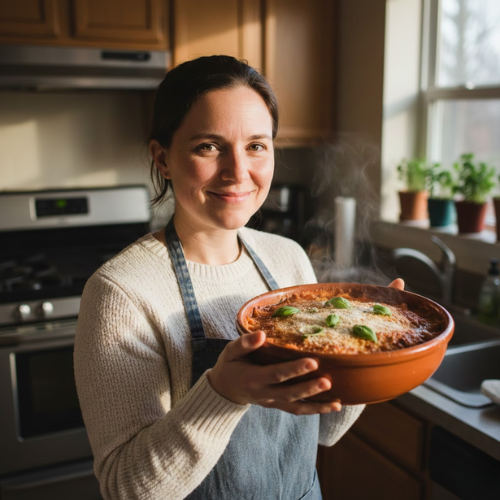
Hi, I’m Charlotte Hayes, the creator and storyteller behind Lost in the Aroma. If you’ve ever closed your eyes while something simmered on the stove just to take in the scent, then you already understand what this space is about. For me, aroma is memory. It is emotion. It is the first sign that something beautiful is about to be shared. Lost in the Aroma is where I bring together recipes, sensory storytelling, and my lifelong love for food. I am so glad you’re here.

Leave a Reply