
When I started paying close attention to butter for my sugar cookies, everything changed. It’s not just about flavor—it’s about that tender, melt-in-your-mouth texture that makes each bite feel special. I’ve learned that the type of butter can subtly shift the cookie’s personality—creamier, richer, or slightly crumbly.
In my kitchen, I tend to keep a few different butters around, just to see how each one influences the dough. Sometimes I go for a European-style butter with a higher fat content, and other times I stick with good old American unsalted. It’s a small tweak that can turn a good cookie into a memorable one, especially when the butter’s aroma fills the room as it bakes.
This recipe isn’t about perfection—it’s about understanding how butter’s qualities influence the final cookie. It’s a gentle reminder that sometimes the simplest ingredients, like butter, deserve our attention and respect. Baking these cookies feels like a quiet celebration of the little choices that make baking personal and satisfying.
Focusing on how the choice of butter influences the cookie’s texture and flavor, revealing the subtle art of butter selection for perfect sugar cookies.
The story behind this recipe
- This recipe came from a messy, joyful weekend baking with my grandmother. We’d roll out dough on her scratched wooden table, flour dusting everything, kids laughing, and her telling stories that felt like a warm blanket. It’s those afternoons I keep chasing—simple, chaotic, full of sweet smells and sticky fingers.
- One particular batch stuck with me—she showed me how to get just the right amount of crisp on the edges while keeping the centers soft and chewy. It was a kind of quiet lesson in patience and precision, but mostly about trusting your instincts and enjoying the process. I keep trying to recreate that feeling, tweaking the recipe here and there, but the core stays the same—plain, honest, homey.
- Sometimes I think these cookies are more about memory than the actual ingredients. They remind me of childhood chaos, of sharing a plate of warm cookies straight from the oven, and that little feeling of pride when someone asks for seconds.
Ingredient breakdown
- Unsalted butter: I prefer it at room temp, so it creams easily and gives that tender crumb. Swap with salted if you like a hint of salt, but cut back elsewhere.
- Granulated sugar: The classic sweetener—beating it with butter really helps create that crisp edge. Use powdered sugar for a softer, melt-in-your-mouth texture if you want a different vibe.
- All-purpose flour: I scoop and level to keep it consistent; too much can dry out the cookies. For a chewier cookie, try a little bread flour, but don’t overdo it.
- Vanilla extract: A splash brightens everything. I love a good quality vanilla for depth; if you’re out, a tiny dash of almond extract adds a nice twist.
- Egg: I use large eggs, which help bind and hydrate the dough. If you’re out, a tablespoon of milk can help if the dough feels too stiff or crumbly.
- Baking powder: Just a pinch is enough to give these cookies a gentle lift. Skip it, and they’ll be more dense and fudgy—less traditional, but still good.
- Sea salt: I sprinkle a little on top before baking for that perfect contrast. If you prefer sweeter cookies, skip the salt, or try sea salt flakes for crunch.
Spotlight on key ingredients
Unsalted butter:
- I prefer it at room temp, so it creams easily and gives that tender crumb. Swap with salted if you like a hint of salt, but cut back elsewhere.
- Granulated sugar: The classic sweetener—beating it with butter really helps create that crisp edge. Use powdered sugar for a softer, melt-in-your-mouth texture if you want a different vibe.
- All-purpose flour: I scoop and level to keep it consistent; too much can dry out the cookies. For a chewier cookie, try a little bread flour, but don’t overdo it.
Vanilla extract:
- A splash brightens everything. I love a good quality vanilla for depth; if you’re out, a tiny dash of almond extract adds a nice twist.
- Egg: I use large eggs, which help bind and hydrate the dough. If you’re out, a tablespoon of milk can help if the dough feels too stiff or crumbly.
- Baking powder: Just a pinch is enough to give these cookies a gentle lift. Skip it, and they’ll be more dense and fudgy—less traditional, but still good.
Notes for ingredient swaps
- Dairy-Free: Swap butter with coconut oil or margarine. Expect a slightly richer, coconut aroma or a milder flavor.
- Gluten-Free: Use a blend of rice flour and tapioca starch. Cookies might be a tad crumblier but still hold shape.
- Sugar Alternatives: Replace granulated sugar with honey or maple syrup. Cookies will be softer and a bit more moist.
- Vegan: Use vegan butter and flaxseed eggs (1 tbsp ground flaxseed + 3 tbsp water). Slightly different texture, more tender.
- Flavor Boost: Add a pinch of lemon zest or almond extract for a brighter, more complex flavor profile.
- Texture Variation: Incorporate a handful of chopped nuts or oats for extra crunch and rustic charm.
- Color Tip: Use brown sugar instead of white for deeper caramel notes and a richer, darker cookie.
Equipment & Tools
- Mixing bowls: Combine ingredients and cream butter with sugar.
- Rolling pin: Roll out dough evenly.
- Parchment paper: Prevent sticking and facilitate easy cleanup.
- Cookie cutter or glass: Shape cookies uniformly.
- Baking sheet: Bake cookies evenly.
Step-by-step guide to sugar cookies
- Gather equipment: a sturdy rolling pin, baking sheets, parchment paper, mixing bowls, and a cookie cutter or glass for shaping. Preheat your oven to 180°C (350°F).
- Cream 1 cup (226g) unsalted butter at room temperature with 1 cup (200g) granulated sugar in a large bowl. Mix until pale and fluffy, about 3-4 minutes. Smell should be rich and buttery.
- Add 1 large egg and 1 teaspoon vanilla extract to the butter-sugar mixture. Beat until fully incorporated, about 30 seconds. The mixture should look smooth and shiny.
- In a separate bowl, whisk together 2 ½ cups (310g) all-purpose flour, ½ teaspoon baking powder, and a pinch of salt. Gradually add dry ingredients to wet, mixing on low speed or stirring until just combined. The dough should come together without sticking excessively.
- Divide dough into two equal parts. Flatten into disks, wrap in plastic wrap, and chill in the fridge for at least 1 hour. The dough will firm up, making it easier to roll out.
- Lightly flour a clean surface and rolling pin. Roll out one disk to about 0.5cm (¼ inch) thick. Cut out cookies using your chosen shapes. Transfer to prepared baking sheets lined with parchment paper.
- Bake in the preheated oven for 8-10 minutes. Edges should be just turning golden. The smell will be warm and sweet, with a hint of vanilla.
- Remove from oven and let cookies sit on the baking sheet for 2 minutes before transferring to a wire rack. Allow to cool completely before decorating or stacking.
- For a crisp finish, let cookies cool until firm and dry. For softer cookies, store in an airtight container after cooling completely.
Chill dough in the fridge for at least 1 hour. Cool cookies completely on a wire rack before decorating or stacking. Store in an airtight container for up to a week.
How to Know It’s Done
- Edges are lightly golden when baked.
- Cookies are firm but slightly springy when pressed.
- Dough is smooth and holds shape when cut.
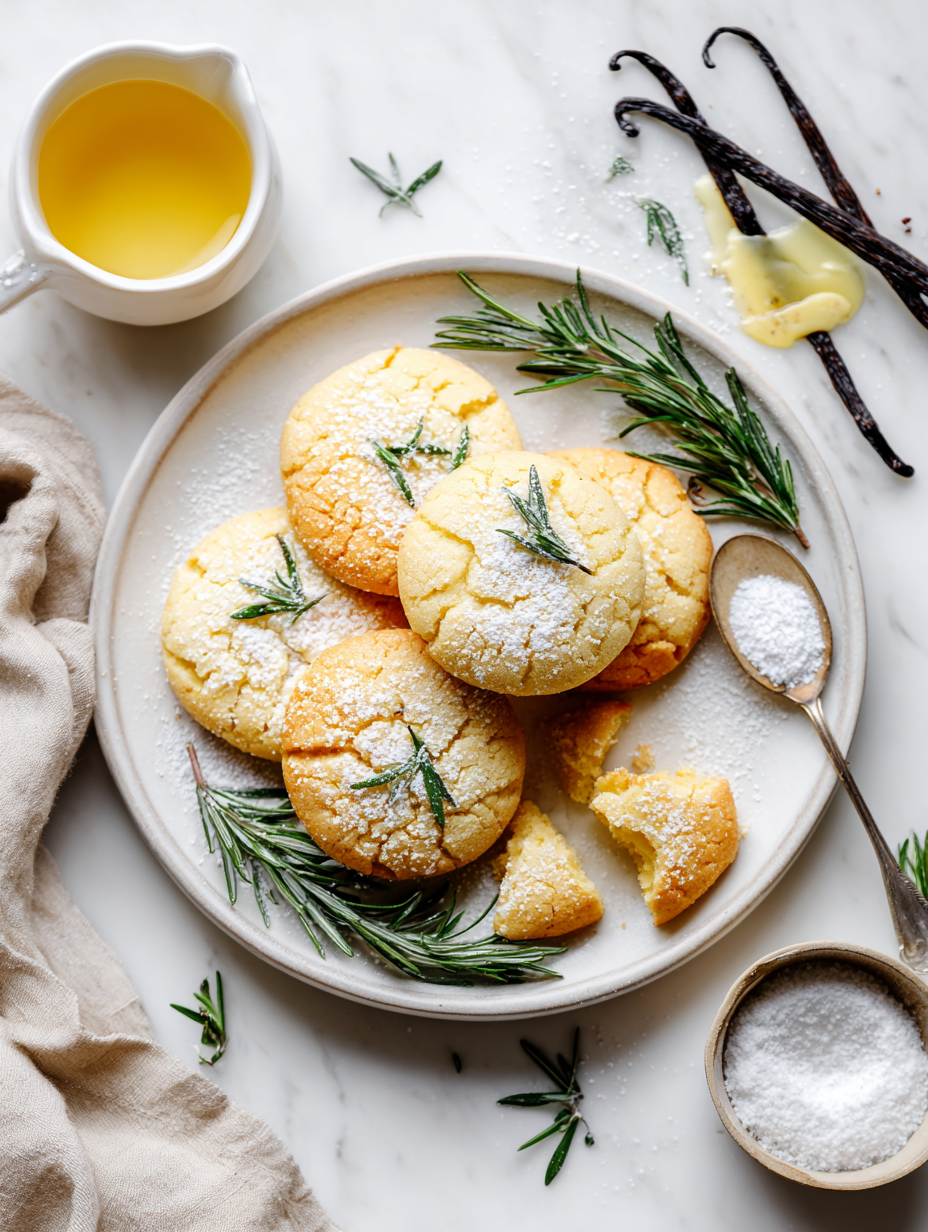
Butter-Infused Sugar Cookies
Ingredients
Equipment
Method
- Start by creaming the softened butter and granulated sugar together in a large mixing bowl. Use a hand mixer or stand mixer on medium speed until the mixture turns pale, fluffy, and smells rich—about 3-4 minutes. This process helps develop a tender crumb and a buttery aroma.
- Next, add the large egg and vanilla extract to the creamed mixture. Beat on low speed just until everything is fully combined and the mixture is smooth, about 30 seconds. You should see a glossy, uniform batter with no streaks.
- In a separate bowl, whisk together the all-purpose flour, baking powder, and a pinch of sea salt. Sifting or spooning the flour ensures even mixing and prevents clumps. Gradually add the dry ingredients to the wet mixture, mixing on low speed or gently folding until just combined. The dough will come together and be soft but manageable.
- Divide the dough into two equal portions, flatten each into a disk, wrap tightly in plastic wrap, and chill in the refrigerator for at least 1 hour. Chilling helps the dough relax and makes it easier to roll out without sticking.
- Preheat your oven to 180°C (350°F). Lightly flour a clean surface and your rolling pin. Take one chilled dough disk and roll it out evenly to about 0.5cm (¼ inch) thickness. Use cookie cutters or a glass to cut out shapes, then transfer the cookies onto parchment-lined baking sheets.
- Sprinkle a tiny pinch of sea salt on top of each cookie before baking for added flavor contrast. Bake the cookies in the preheated oven for 8-10 minutes, or until the edges are just lightly golden and fragrant with vanilla. Keep a close eye near the end to prevent overbaking.
- Once baked, remove the cookies from the oven and let them sit on the baking sheet for about 2 minutes. Then, transfer them to a wire rack to cool completely. Cooling allows the cookies to firm up and develop their delicate texture.
- Repeat the rolling, cutting, and baking process with the second dough disk. Once all cookies are cooled, enjoy their crisp edges and soft centers that highlight the rich butter flavor. Decorate with icing if desired, or serve plain to savor the buttery goodness.
Notes
Tips & Tricks for Perfect Cookies
- Bolded mini-head: Chill dough thoroughly → Keeps cookies from spreading too much during baking.
- Bolded mini-head: Use parchment paper → Prevents sticking and promotes even browning.
- Bolded mini-head: Don’t overmix after adding flour → Keeps cookies tender and crumbly, not tough.
- Bolded mini-head: Slightly underbake → Edges should just turn golden; cookies will firm as they cool.
- Bolded mini-head: Roll dough evenly → Ensures uniform baking and consistent texture across cookies.
- Bolded mini-head: Use a light touch with cutters → Avoid deforming shapes; dip cutters in flour if sticking.
- Bolded mini-head: Cool cookies completely before decorating → Prevents smudging and ensures crisp edges.
Common mistakes and how to fix them
- FORGOT to check oven temperature → Use an oven thermometer for accuracy.
- DUMPED flour directly into the bowl → Sift or spoon flour for proper measurement.
- OVER-TORCHED cookies → Remove promptly at light golden edges to avoid bitterness.
- MISSED chilling time → Chill dough at least 1 hour to prevent spreading.
Quick Fixes and Pantry Swaps
- If dough cracks, splash in a teaspoon of milk and knead gently.
- When cookies spread too thin, chill the dough 15 minutes longer before baking.
- Splash extra vanilla if cookies taste flat or dull.
- DUMPED flour? Sift it to prevent dense, dry cookies.
- When cookies burn quickly, reduce oven temp by 10°C (20°F) and watch closely.
Prep, store, and reheat tips
- Prepare the dough in advance, wrap tightly in plastic and refrigerate for up to 3 days—dough firms up and flavors meld beautifully, making rolling easier and cookies more flavorful.
- Shape and cut out cookies before chilling—dough can be frozen for up to 1 month; just thaw slightly at room temp before baking for even edges.
- Cookies keep well in an airtight container at room temperature for up to a week—store with parchment layers to prevent sticking and preserve crispness.
- Reheat baked cookies briefly in a 150°C (300°F) oven for 3-5 minutes—smell should rekindle, and cookies will regain a slight crunch, perfect for serving warm.
Top questions about sugar cookies
1. Should I use softened or cold butter?
Use cold butter for a tender, flaky texture that melts in your mouth, not greasy at all.
2. How long should I chill the cookie dough?
Chill the dough for at least an hour; it firms up, making it easier to roll out without sticking.
3. How do I know when the cookies are done?
Bake until edges are just golden—about 8 to 10 minutes—then let them cool on the sheet for a minute.
4. Why are my cookies spreading too much?
If cookies spread too much, chill the dough longer or make sure your butter isn’t too warm before baking.
5. Can I bake directly on the pan?
Use parchment paper to prevent sticking and promote even baking, especially if your sheets tend to brown spots.
6. When is the best time to decorate the cookies?
Decorate cooled cookies with icing or sprinkles; if the cookies are warm, the decorations will melt or slide off.
7. How should I store leftover sugar cookies?
Store in an airtight container at room temperature for up to a week, layered with parchment to avoid sticking.
8. Can I freeze the cookie dough?
You can freeze the shaped dough for up to a month; just thaw slightly before baking for best results.
9. My cookies are too hard—what can I do?

If cookies are too hard, warm them briefly in a low oven or microwave, or try wrapping them in a damp paper towel and reheating.
10. How can I customize the flavor of these cookies?
For variations, add lemon zest for brightness or a pinch of cinnamon for warmth in the dough.
Baking these sugar cookies takes me back to simpler days—crisp edges, buttery aroma filling the kitchen, and that satisfying crunch with every bite. It’s funny how a small batch of dough can carry so much nostalgia and honest joy.
In a world that’s constantly rushing, these cookies remind me to slow down, to focus on the little details, and to enjoy the process. They’re not just treats—they’re quiet moments of connection, baked into something sweet and familiar.

Hi, I’m Charlotte Hayes, the creator and storyteller behind Lost in the Aroma. If you’ve ever closed your eyes while something simmered on the stove just to take in the scent, then you already understand what this space is about. For me, aroma is memory. It is emotion. It is the first sign that something beautiful is about to be shared. Lost in the Aroma is where I bring together recipes, sensory storytelling, and my lifelong love for food. I am so glad you’re here.
Leave a Reply