
Lemon drizzle cake isn’t just about the bright, tangy flavor—it’s about how that zing can turn a simple bake into something unexpectedly lively. I love how a splash of fresh lemon juice and a good drizzle of glaze can make a humble sponge feel like a celebration, even on the dullest days. It’s honest baking, no fuss, just straightforward citrus joy in every slice.
There’s something satisfying about the way lemon’s acidity balances sweetness, cutting through the richness of the cake and waking up your palate. I’ve made this cake for everything from quiet afternoons to family gatherings, and each time, the bright aroma and zesty punch remind me why I keep turning to this recipe.
This cake feels like a little reminder that sometimes, simple ingredients—flour, eggs, sugar, and lemon—are enough to create a moment of happiness. It’s unpretentious, a bit chaotic in its making, but always reliably delicious. Honestly, it’s the kind of dessert that makes you feel a bit more alive with every bite.
Focusing on how the brightness of lemon can lift a simple cake from dull to delightful, this recipe celebrates the citrus’s role in transforming humble baking into a lively, memorable treat. It’s about how a splash of lemon can cut through sweetness and add a zing that wakes up your taste buds, making every slice feel like a mini celebration—no fancy ingredients, just pure citrus joy in every bite.
The citrus lift in baking
- I love how a splash of lemon can wake up a sleepy afternoon, making everything feel brighter.
- Baking this cake always reminds me of family gatherings, where the aroma alone sparks smiles.
- There’s a chaotic joy in squeezing fresh lemons—sometimes I end up with more juice on my hands than in the bowl.
- Nothing beats the satisfying crackle of the glaze as it sets, promising that tangy sweetness inside.
- I’ve made this cake so many times, I can almost do it in my sleep—and still it surprises me with that zesty punch.
The story behind this recipe
- This cake was born out of a lazy Sunday craving for something bright and lively. I’d just bought a bunch of lemons that looked too perfect to ignore, and I wanted to capture that zing in something comforting. The first time I drizzled the lemon glaze over the warm cake, the aroma alone made everyone come running to the kitchen. It’s a simple tradition now—whenever I need a little sunshine, this cake is my go-to.
- Baking it reminds me of childhood summers—those afternoons when my mom would bake with a splash of lemon zest just to lift the mood. The process is chaotic, with juice squirting everywhere, but that’s part of the charm. The tangy-sweet glaze crackling as it sets feels like a little victory, a reminder that simple ingredients can create something unexpectedly delightful.
- heading
- story_type
Historical & Cultural Notes
- Lemon drizzle cake has roots in British baking, where citrus was prized for its ability to preserve and add brightness to desserts.
- The combination of lemon and sugar in cakes dates back to recipes from Tudor times, where citrus was a symbol of wealth and refinement.
- In the UK, lemon drizzle cakes became popular during wartime when ingredients like fresh citrus and sugar were more accessible to home bakers.
Ingredient breakdown: key components
- Lemon: I love how the juice is bright and zingy, adding a fresh punch. If your lemons are dull, add a bit more zest for extra vibrancy.
- Caster sugar: I prefer superfine sugar here—it dissolves quickly and keeps the batter smooth. Swap for regular sugar if needed, but expect a slightly grainier texture.
- Butter: I use softened unsalted butter for richness. For a dairy-free version, coconut oil works—just note it adds a subtle coconut aroma.
- Eggs: They bind the batter and add moisture. If you’re out, applesauce can be a substitute, but it makes the cake a bit denser.
- Flour: I stick to plain flour for structure. Whole wheat adds a nutty flavor but can make the crumb a little denser. Sift well to avoid lumps.
- Lemon zest: The secret to a more intense citrus flavor. If you don’t have fresh, a little bottled zest or lemon oil can work—just not as vivid.
- Glaze: I love a pour of lemon juice mixed with icing sugar while still warm, it creates that glossy, tangy crust that crackles when set.
Spotlight on key ingredients
Lemon:
- I love how the juice is bright and zingy, adding a fresh punch. If your lemons are dull, add a bit more zest for extra vibrancy.
- Lemon zest: The secret to a more intense citrus flavor. If you don’t have fresh, a little bottled zest or lemon oil can work—just not as vivid.
- The aroma is sharp and invigorating, cutting through the sweetness of the cake and waking up your senses.
Caster sugar:
- I prefer superfine sugar here—it dissolves quickly and keeps the batter smooth. Swap for regular sugar if needed, but expect a slightly grainier texture.
- Its fine grains melt seamlessly into the batter, giving a tender crumb. If you only have regular sugar, dissolve it in the lemon juice first.
- It contributes to the delicate crumb and a subtle, melting sweetness that balances the tartness.
Notes for ingredient swaps
- Lemon: I love using fresh lemons for their bright, zesty aroma. If you only have bottled lemon juice, use half the amount, but expect a less vivid flavor.
- Caster sugar: Superfine sugar dissolves quickly and keeps the batter smooth. Swap for regular granulated sugar if needed, but your cake might be a tad grainier.
- Butter: I opt for unsalted, softened butter for richness. For dairy-free, coconut oil works—just note it adds a slight coconut aroma and a different crumb.
- Eggs: They provide moisture and structure. If you’re out, applesauce or mashed banana can work, but your cake might be a bit denser and less airy.
- Flour: Plain (all-purpose) flour is my go-to. Whole wheat adds nuttiness but can make the crumb denser—sift well to keep it light.
- Lemon zest: The secret to a punchy citrus flavor. If fresh zest isn’t available, a few drops of lemon oil or bottled zest can boost the brightness.
- Glaze: Mix icing sugar with lemon juice while the cake is still warm for that crackly, tangy finish. For a thicker glaze, use less lemon juice; for a thinner pour, add more.
Equipment & Tools
- Oven: To bake the cake evenly.
- Mixing bowls: To combine ingredients.
- Electric mixer or whisk: To beat butter and sugar until fluffy.
- Spatula: To fold in flour and lemon zest gently.
- Loaf or bundt pan: To shape the cake.
- Cooling rack: To cool the cake evenly and set the glaze.
- Skewer or toothpick: To test doneness and poke holes for glazing.
Step-by-step guide to Lemon Drizzle Cake
- Preheat your oven to 180°C (350°F). Grease a 23cm (9-inch) loaf or bundt pan and line with parchment if you like. Having your ingredients ready makes this smoother.
- In a large bowl, beat together 225g (1 cup) softened butter and 200g (1 cup) caster sugar until pale and fluffy, about 3-4 minutes. The mix should be almost mousse-like.
- Add 4 large eggs one at a time, beating well after each. If the mixture curdles, add a tablespoon of flour to stabilize it.
- Stir in 1 tablespoon lemon zest and 2 tablespoons lemon juice for brightness. Mix until just combined—don’t overmix or the cake gets tough.
- Gently fold in 225g (about 1 ¾ cups) plain flour and 1 teaspoon baking powder. Use a spatula, scraping from the bottom, just until no streaks remain.
- Pour batter into your prepared pan. Smooth the top with the back of a spoon or spatula. Tap the pan a few times to release air bubbles.
- Bake for about 45-50 minutes. Check doneness: the cake should be golden, a skewer inserted in the center comes out clean, and it feels firm around the edges.
- While baking, prepare your glaze: mix 100g (¾ cup) icing sugar with 2-3 tablespoons lemon juice until smooth. Adjust for thickness—thinner if pouring, thicker for spreading.
- Once baked, let the cake cool in the pan for 10 minutes, then transfer to a wire rack. While still warm, poke holes with a skewer and drizzle with your lemon glaze.
- Let the glaze set for at least 30 minutes. The cake is best enjoyed the day it’s glazed, but can be wrapped and stored for up to 2 days.
Cool the cake in the pan for 10 minutes, then transfer to a wire rack. Drizzle with glaze while still warm, allowing it to soak in and set. Slice once fully cooled and the glaze is crackly.
How to Know It’s Done
- Cake is golden and a skewer comes out clean.
- Glaze has set with a crackly, shiny surface.
- Cake feels firm but springy when pressed lightly.

Lemon Drizzle Cake
Ingredients
Equipment
Method
- Preheat your oven to 180°C (350°F). Grease your loaf or bundt pan and set aside. In a large bowl, beat the softened butter and caster sugar together until the mixture turns pale and fluffy, about 3-4 minutes, and you hear a gentle squeaking sound.
- Add the eggs one at a time, beating well after each addition. The mixture may look a bit curdled—that’s okay. Stir in the lemon zest and lemon juice, which will brighten the batter and add a lovely citrus aroma.
- Gently fold in the sifted flour and baking powder using a spatula, mixing just until the batter looks smooth and combined. Be careful not to overmix, as this keeps the cake tender.
- Pour the batter into your prepared pan, smoothing the surface with the spatula. Tap the pan lightly on the counter to help release any air bubbles that might have formed during mixing.
- Bake in the preheated oven for about 45-50 minutes. Check for doneness by inserting a skewer into the center; it should come out clean, and the cake should be golden brown around the edges.
- While the cake is baking, prepare your glaze by mixing the icing sugar with 2-3 tablespoons of lemon juice until smooth. The consistency should be pourable but not too runny.
- Once baked, remove the cake from the oven and let it cool in the pan for about 10 minutes. Then, transfer it to a wire rack and poke several holes all over the warm cake with a skewer.
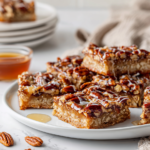
- Slowly pour the lemon glaze over the warm cake, allowing it to seep into the holes and coat the surface. The glaze will set as the cake cools, creating a shiny, crackly top.
- Let the cake cool completely to allow the glaze to set fully. Slice and enjoy the moist, tender crumb with that bright, zingy lemon crust in every bite.
Tips & Tricks for Perfect Lemon Cake
- Use room temperature eggs to ensure a smooth, even batter that incorporates fully.
- When adding lemon juice, do it gradually to balance acidity without curdling the batter.
- For a glossy glaze, add a splash of warm water if the icing sugar mixture feels too thick to pour.
- Keep an eye on the cake’s edges during baking—if they brown too quickly, tent with foil to prevent over-torching.
- Poke the warm cake with a skewer before glazing—this helps the lemon syrup soak in for more zing.
- Use fresh lemon zest for peak aroma; bottled zest can work in a pinch but won’t deliver the same bright punch.
- Rest the glazed cake for at least 30 minutes to let the glaze crackle and set properly, avoiding sticky fingers.
Common Lemon Drizzle Cake Fixes
- FORGOT to check oven temperature → Use an oven thermometer for accuracy.
- DUMPED in all lemon juice at once → Add gradually, tasting for bright balance.
- OVER-TORCHED glaze → Remove from heat immediately, add more sugar if needed.
- MISSED to evenly mix batter → Fold ingredients gently to avoid dense spots.
Quick fixes and pantry swaps
- When lemon juice is dull, add an extra zest for brightness.
- Splash warm water into thick glaze to make it pourable.
- Patch a cracked cake by smoothing with a warm spatula.
- Shield edges with foil if they brown too fast.
- Dumped too much lemon? Rescue with a sprinkle of extra sugar.
Prep, store, and reheat tips
- Prepare the lemon glaze in advance and store in the fridge for up to 2 days; it thickens slightly but can be warmed gently to loosen before pouring.
- Baked cake can be wrapped tightly in plastic wrap and kept at room temperature for up to 2 days; for longer storage, freeze for up to 1 month and thaw at room temp, noticing the aroma deepen slightly.
- You can make the cake a day ahead; the flavors meld better after resting, and the crumb stays moist. Reheat gently in a low oven (about 150°C / 300°F) for 10-15 minutes until just warmed through, releasing a fragrant lemon aroma.
- The glaze can be applied just before serving for maximum shine and crackle. If the cake is stored overnight, re-glaze for a fresh, zesty crackle that awakens your senses.
Top questions about Lemon Drizzle Cake
1. Can I use bottled lemon juice instead of fresh?
Use fresh lemons for the brightest, tangiest flavor. Bottled lemon juice can work, but it won’t be as zingy.
2. How do I know when the cake is done?
Bake until the cake is golden and a skewer inserted in the center comes out clean, about 45-50 minutes.
3. My glaze isn’t setting, what do I do?
If the glaze is too runny, add a bit more icing sugar. If it’s too thick, stir in a splash of lemon juice or water.
4. How should I store leftover cake?
Store the cake wrapped tightly at room temperature for up to 2 days or freeze for longer storage. Reheat gently if needed.
5. Can I use regular granulated sugar?
Use superfine caster sugar for a smooth batter. Regular sugar can be substituted but may result in a slightly grainier texture.
6. Can I make this cake dairy-free?
Yes, coconut oil is a good dairy-free alternative, but it adds a coconut aroma and slightly different crumb.
7. How can I enhance the lemon flavor?
Add lemon zest for a more intense citrus flavor. If unavailable, bottled zest or lemon oil can boost brightness.
8. Why should I poke holes in the cake before glazing?
Poke holes in the warm cake with a skewer before glazing to help the lemon syrup soak in better.
9. Should my eggs be cold or room temperature?
Use room temperature eggs for a smoother batter that incorporates evenly. Cold eggs may cause curdling.
10. How long should I wait before slicing after glazing?
Let the glazed cake rest at least 30 minutes so the glaze can crackle and set properly before slicing.
This lemon drizzle cake isn’t just a baking project; it’s a reminder that bright, simple ingredients can lift even the dullest days. The aroma of citrus, the crackle of glaze, and that tangy burst in each bite make it hard to ignore how comforting and invigorating baking with lemon can be.
Whenever I make this cake, I’m reminded of slow Sunday mornings and spontaneous gatherings, where a slice can turn a regular day into something a little more special. It’s honest, unpolished baking—messy, imperfect, but always satisfying in that bright, citrusy way.

Hi, I’m Charlotte Hayes, the creator and storyteller behind Lost in the Aroma. If you’ve ever closed your eyes while something simmered on the stove just to take in the scent, then you already understand what this space is about. For me, aroma is memory. It is emotion. It is the first sign that something beautiful is about to be shared. Lost in the Aroma is where I bring together recipes, sensory storytelling, and my lifelong love for food. I am so glad you’re here.
Leave a Reply